
multi-country energy systems evaluation
-
We support organizations by asking the hard questions, creating meaning and ensuring social impact teams understand how to make their data useful while prioritizing collaboration, clarity, and accountability to the communities they serve. Our work combines monitoring, evaluation, research, and learning with facilitation and systems thinking to help teams understand what is working, where implementation challenges emerge, and how programs can adapt. Across sectors and geographies, we focus on developing clear and digestible recommendations that strengthen decision-making and long-term impact.
-
Our approach blends rigorous evaluation methods with collaborative learning processes. We design research and facilitation strategies that transfer internal knowledge into a competitive advantage, working across stakeholders at all levels, including policymakers and leadership to implementers and communities. This ensures that findings are not only technically sound, but also relevant and utilization-focused for effective decision-making.
-
We partner with community-based organizations, public entities, international organizations, nonprofits, and cross-sector initiatives addressing complex systems challenges. Engagements have included work with government ministries, state agencies, multilateral programs, and local partners across climate, health, energy, governance, economic empowerment, market systems development, equity analysis, and social services.
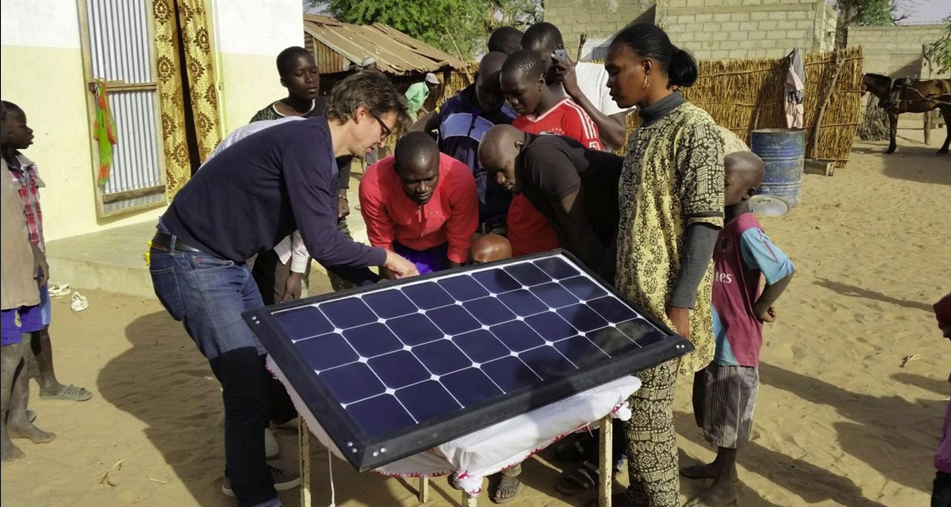
Photo Credit: Samuel Dansette/Power Africa Evaluation Reportengagement snapshot
Supported a multi-country evaluation examining how partnerships between U.S. agencies, Eastern and Southern African governments, and municipal leaders contributed to expanding energy access and strengthening rural and urban energy systems.
Commissioned by: US Agency for International Development
Initiative: Power Africa
System Actors: International policymakers, government ministries, municipal leaders, energy providers
Geographic Scope: Eastern and Southern Africa
Sector: Climate | Infrastructure | Economic Development
Engagement Type: Multi-country Program Evaluation
Methods: Evaluation design support, qualitative tool development, key informant interviews (KIIs), focus groups (FGDs), bilingual research (English and French), validation workshops, case study development
engagement overview
Client ContextExpanding reliable energy access remains a central challenge across many rapidly growing cities in Sub-Saharan Africa. The Power Africa initiative sought to address these challenges by fostering partnerships between governments, utilities, and development actors to support infrastructure development, policy reform, and technical collaboration.
A key component of this work involved facilitating knowledge exchange between U.S. and African municipal leaders while strengthening institutional capacity to address rural and urban energy needs.
To understand how these partnerships were functioning and where they could be strengthened, program leadership commissioned a multi-country evaluation engaging stakeholders across multiple levels of government and implementation.
The ChallengeThe evaluation required collating perspectives from a wide range of actors, including:
National ministries responsible for agriculture and energy
Municipal city managers and technical staff
U.S. government agencies and implementing partners
Program leadership overseeing regional initiatives
This multi-stakeholder environment required an evaluation approach that could capture both program-level outcomes and broader systems dynamics shaping energy access and urban infrastructure development.
Role & ContributionsAs a Qualitative Evaluation Specialist on the team, I supported multiple components of the evaluation, focusing on research design, qualitative data collection, and stakeholder validation.
methodology + research design
Supported the development of the evaluation methodology, ensuring that qualitative components could assess findings across multiple countries and stakeholder groups. This included aligning methodology design with research approaches capable of examining both program implementation and broader systems dynamics influencing energy access.
tool development + multi-country data collection
Co-developed qualitative research tools to guide key informant interviews (KIIs), focus group discussions (FGDs), and stakeholder consultations. These tools were designed to capture perspectives from government officials, municipal leaders, and development partners involved in urban energy initiatives. Data collection included:
SMS quantitative survey across both regions
KIIs with national and local government stakeholders
FGDs with program participants and partners
Data collection was conducted in both English and French to support engagement across diverse contexts.
validation workshops + stakeholder engagement
Facilitated validation workshops with stakeholders to review preliminary findings, ensuring that conclusions accurately reflected implementation realities and stakeholder experiences. These sessions also created opportunities for dialogue and knowledge exchange between U.S. and in-country partners.
case study development + reporting
Contributed to the development of evaluation reports and case studies synthesizing insights across countries and stakeholder groups.
These outputs highlighted lessons learned related to:
City-to-city collaboration
Institutional coordination
Barriers to implementation
Opportunities for strengthening energy partnerships
ResultsThe evaluation provided program leadership with a holistic perspective on how energy partnerships were functioning across countries and institutions.
Key contributions included:
Identifying factors that enabled or hindered effective collaboration between city leaders and national stakeholders
Highlighting implementation challenges affecting urban energy initiatives
Documenting lessons from city partnerships and knowledge exchange activities
Informing the design of a follow-on initiative building on these recommendations
The evaluation helped strengthen understanding of how cross-sector partnerships contribute to expanding energy access and supporting sustainable urban development.
Strategic ImpactThis engagement demonstrated the importance of systems-level evaluation in complex infrastructure and development initiatives.
By capturing perspectives from national governments, municipal leaders, and international partners, the evaluation provided a more comprehensive view of how collaborative energy initiatives function across institutional levels.
The findings contributed to improved program design and strengthened future collaboration between U.S. agencies and African partners working to expand reliable energy access.

Get in Touch
Whether you have a question, an idea, or just want to say hello, feel free to reach out. We look forward to connecting within one to two business days.