
statewide learning evaluation
-
We support organizations by asking the hard questions, creating meaning and ensuring social impact teams understand how to make their data useful while prioritizing collaboration, clarity, and accountability to the communities they serve. Our work combines monitoring, evaluation, research, and learning with facilitation and systems thinking to help teams understand what is working, where implementation challenges emerge, and how programs can adapt. Across sectors and geographies, we focus on developing clear and digestible recommendations that strengthen decision-making and long-term impact.
-
Our approach blends rigorous evaluation methods with collaborative learning processes. We design research and facilitation strategies that transfer internal knowledge into a competitive advantage, working across stakeholders at all levels, including policymakers and leadership to implementers and communities. This ensures that findings are not only technically sound, but also relevant and utilization-focused for effective decision-making.
-
We partner with community-based organizations, public entities, international organizations, nonprofits, and cross-sector initiatives addressing complex systems challenges. Engagements have included work with government ministries, state agencies, multilateral programs, and local partners across climate, health, energy, governance, economic empowerment, market systems development, equity analysis, and social services.
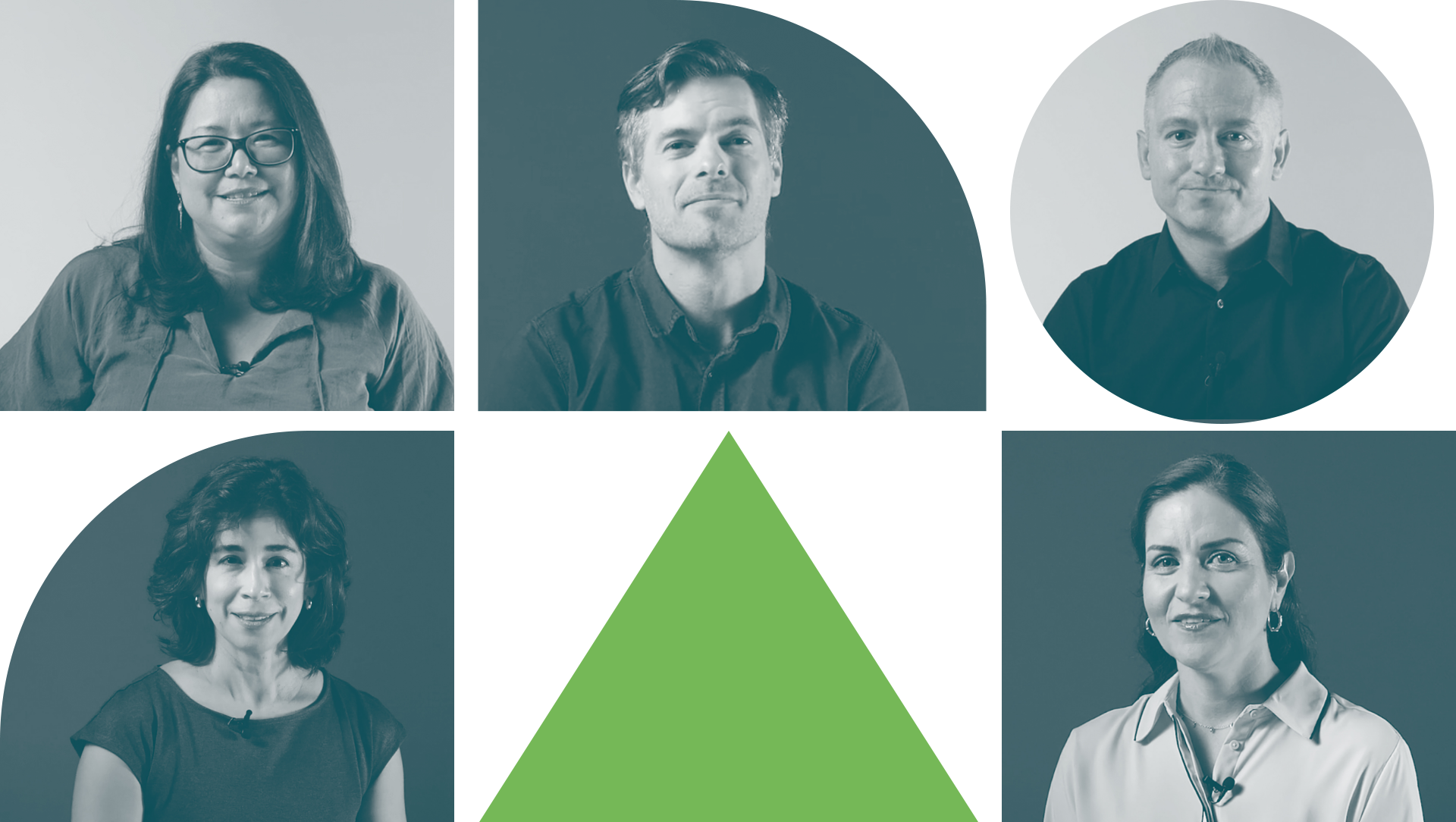
Photo credit: MN DHS Growing in Responsive Care Websiteengagement snapshot
Led a learning-focused evaluation and strategic learning engagement focused on strengthening trauma-responsive and culturally responsive care practices, while developing psychosocial support resources and knowledge products to bolster real-time implementation of practices across Minnesota Health Care Programs.
Client: Minnesota Department of Human Services
Program: Growing in Responsive Care (GIRC) Training Series
System Actors: National policymakers, health care workers, frontline workers, community based organizations
Geographic Scope: Minnesota, United States
Sector: Health and Human Services
Engagement Type: Learning and Performance Evaluation
Methods: Evaluation design, psychosocial support design, monitoring system development, stakeholder engagement, thematic analysis, learning facilitation, knowledge product development, reporting
engagement overview
Client ContextThe Growing in Responsive Care (GIRC) initiative was developed to aid healthcare providers in strengthening culturally responsive and trauma-responsive care practices across Minnesota Health Care Programs.
The GIRC training series introduces practical frameworks to help providers understand how trauma, culture, and social context shape patient experiences and care outcomes. The program also seeks to strengthen providers’ ability to respond effectively when working with diverse communities across Minnesota.
Because the initiative spans multiple organizations and care environments, program leadership needed a clear understanding of how providers were engaging with the training and how learning could inform the planned statewide launch.
The ChallengeWhile the original evaluation design focused on assessing provider learning and patient experience across multiple partner sites, the operational environment in Minnesota shifted significantly during implementation.
Ongoing social and public health pressures affecting vulnerable populations, including immigrant communities, also impacted frontline providers and the organizations supporting them. These conditions affected partner site capacity and required an adaptive approach to both evaluation and implementation.
As a result, the engagement evolved in two ways:
The evaluation transitioned toward a learning-oriented assessment, synthesizing themes from available data while maintaining confidentiality for participating organizations.
Additional assistance was introduced to support frontline providers through psychosocial resources and learning spaces, recognizing the importance of workforce well-being when implementing trauma-responsive care practices.
Role & ContributionsAs the Monitoring, Evaluation, and Learning Lead, I oversaw the evaluation design, stakeholder coordination, and development of learning resources supporting both the assessment and the statewide launch.
learning-focused evaluation design
Designed and managed the evaluation framework assessing provider learning, practice adoption, and patient experience metrics across participating partner sites.
As program conditions shifted, the evaluation approach adapted towards a thematic analysis of available data, ensuring data impressions could still inform program learning and statewide launch planning.
stakeholder engagement and alignment
Served as the primary evaluation liaison between the Minnesota Department of Human Services, healthcare providers, and partner organizations. This included coordinating stakeholder input, maintaining alignment between evaluation objectives and program priorities, and ensuring findings are translated into practical recommendations.
psychosocial support + workforce learning
In response to ongoing pressures affecting healthcare providers and the communities they serve, the engagement expanded to include the development of psychosocial support resources for frontline workers participating in the training initiative.
This work included:
Designing staff care and support resources for providers participating in learning sessions
Supporting facilitated discussions that allow frontline workers to reflect on trauma-responsive care in practice
Integrating workforce well-being considerations into the broader learning environment
These efforts ensured that providers implementing trauma-responsive care were also supported in managing the emotional demands of their work.
knowledge products + statewide launch preparation
Leading the development of knowledge products that translate evaluation findings into digestible materials for a diverse statewide audience. These included:
A preliminary assessment report synthesizing key impressions and themes from evaluation data
Materials supporting the statewide webinar training series
Communications products designed to encourage participation from providers across Minnesota
Presentation assets for DHS to support stakeholder outreach and engagement
The work also involved simplifying complex concepts such as psychological and cultural safety and contextual interviewing to ensure accessibility to both healthcare professionals and broader audiences.
ResultsThe engagement has supported program leadership in both understanding the assessment findings and developing practical resources that strengthen the statewide rollout of the GIRC training series.
Key contributions include:
Synthesizing evaluation findings to inform statewide launch planning
Developing knowledge products that make trauma-responsive care concepts accessible to diverse audiences
Creating psychosocial support resources for frontline healthcare providers
Strengthening stakeholder engagement across healthcare organizations participating in the initiative
Strategic ImpactThis engagement demonstrates how evaluation can function as both a measurement tool and a learning platform during periods of organizational and social stress.
By integrating evaluation findings, psychosocial support resources, and knowledge products for statewide dissemination, this work helped strengthen Minnesota’s capacity to promote trauma-responsive care across its healthcare system.
This engagement also highlights how evaluation can adapt in real time to evolving implementation environments while still generating actionable recommendations for program leaders and frontline practitioners.
Photo credit: MN DHS Growing in Responsive Care Website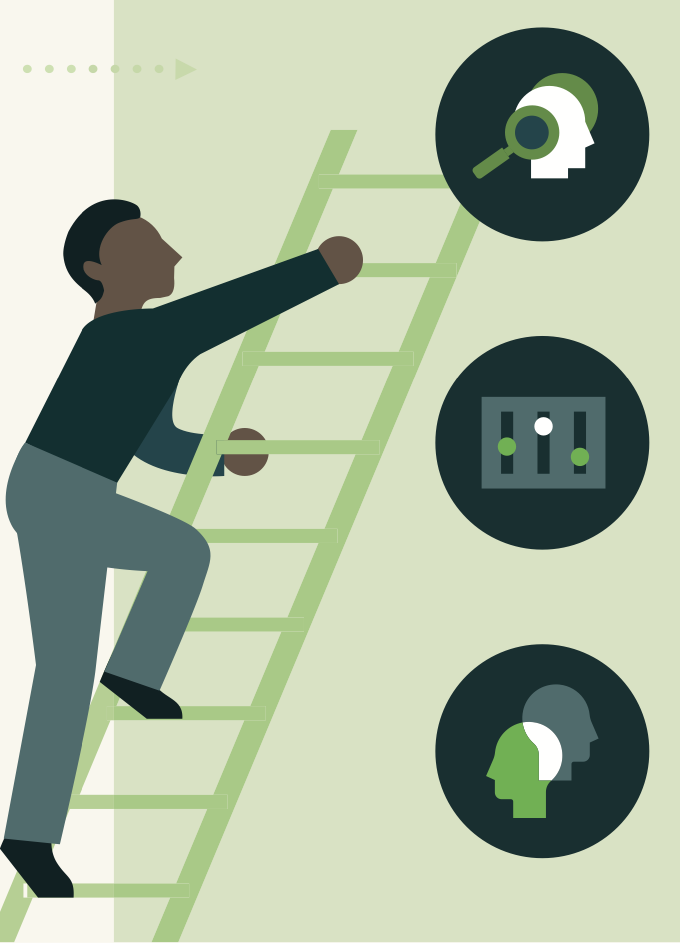
“christine brings a multiplier effect to the team. [she] works to identify problems early and seeks to mitigate them. she has a penchant for written communication. emails, assets, and [reporting] all benefit from her insights and diligence.”
— Siddharth Ashvin Shah, md, mph, greenleaf integrativeGet in Touch
Whether you have a question, an idea, or just want to say hello, feel free to reach out—we’re here to help.